Welcome to JIECHENG



Leave Your Message
Welcome to JIECHENG
When you're trying to pick the right Hot Insulation Material, it can honestly feel a bit overwhelming. There are so many options out there, and honestly, it’s easy to get lost in the details. Every material has its own perks and drawbacks, so you really need to think about what fits your specific situation and environment. Temperature control, for example, is super important across lots of industries—whether you're in construction or manufacturing. Getting the right insulation can actually save energy and boost efficiency, which is a big deal. It’s not just about keeping things warm or cool; it’s about making sure everything works as smoothly as possible.
A lot of folks overlook the fact that durability in the long run matters just as much as the upfront cost. Sometimes, a smarter choice today can save you a lot of headaches and money later on. But, yeah, every option has its trade-offs. Some materials might cost more initially, and others could need special installation processes that might complicate things. That’s why it’s so important to weigh all these factors carefully. Don’t rush it—take your time, and really think about what your needs are before making a decision. It’s better to be thorough now than sorry later!
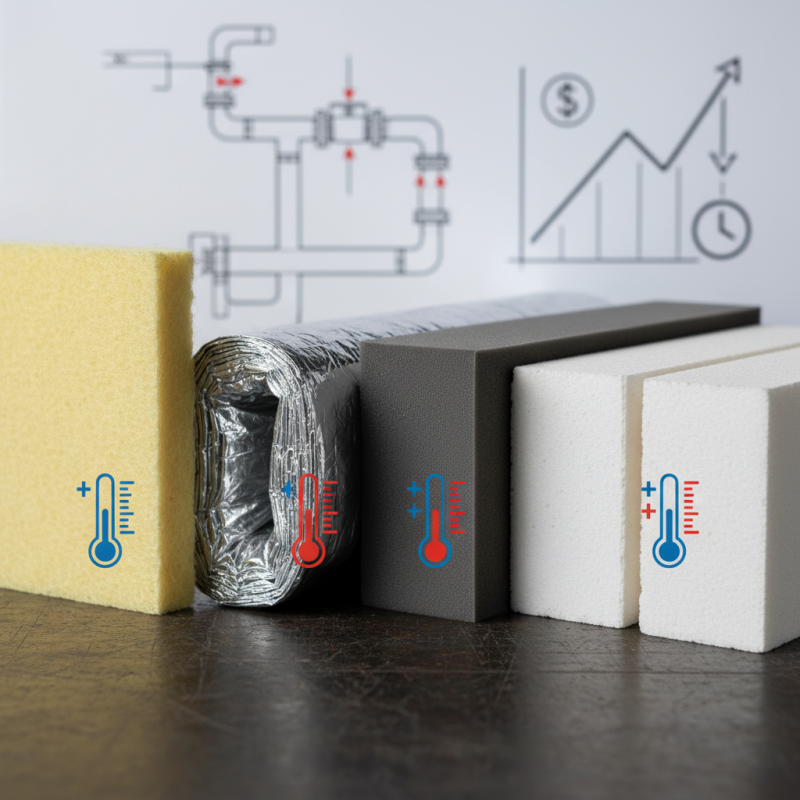
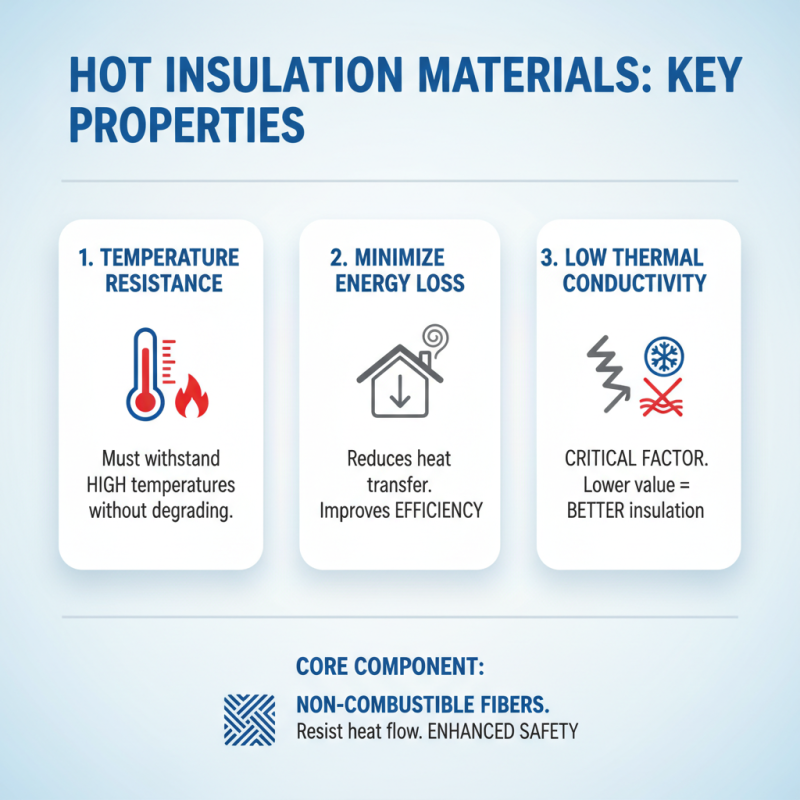
When selecting Hot Insulation Materials, understanding the core properties is crucial. Hot insulation materials should accurately withstand high temperatures while minimizing energy loss. Well-performing materials often contain non-combustible fibers, which resist heat flow effectively. The thermal conductivity of these materials is a critical factor. Lower conductivity indicates better insulation.
It’s also important to consider moisture resistance. Some materials may absorb water, leading to reduced effectiveness over time. Make sure to examine the insulation's durability. Some materials may degrade quickly under extreme conditions. Look for options that balance performance with longevity.
Installation requirements can vary significantly. Some materials may need specialized handling. This might increase the project cost or complexity. Reflect on your specific needs and application before making a choice. Testing different options in similar conditions can provide valuable insights. Always be open to adjustments based on performance feedback. Insights from real-world applications often reveal what works best.
When choosing hot insulation material, it’s crucial to identify your specific needs. Start by assessing the environment where the insulation will be used. Consider the temperature ranges, humidity levels, and potential exposure to chemicals. This will help determine the type of insulation that can perform effectively. Different materials have distinct properties, and not all may suit your situation.
Think about the installation process as well. Some materials may require more complex installation techniques. Will you be able to handle it yourself, or will you need professional help? This choice can affect both your budget and time. Additionally, reflect on the longevity of the materials. Short-lived options may save you money now but could lead to increased costs later.
In terms of safety, certain Hot Pipe Insulation Materials meet specific fire codes. Ensure that you understand these requirements for your project. Remember to balance cost with performance. It can be tempting to go for the cheapest option, but this might not always be wise. Take the time to research and weigh your options carefully.
Choosing the right hot insulation material is crucial. It can greatly affect energy efficiency. Common options include fiberglass, foam board, and mineral wool. Each type has distinct benefits and drawbacks.
Fiberglass is lightweight and popular. It provides excellent thermal resistance. However, its installation can be tricky. It needs to be correctly fitted to avoid air leaks.
Foam board, on the other hand, offers High Insulation with a thinner profile. It is easier to handle but can be more expensive.
Mineral wool is fire-resistant, which adds safety. Yet, it can absorb moisture, which compromises its effectiveness.
Hot And Cold Insulation Material should match your specific application. Consider the environment and use of space. Evaluate R-values and moisture resistance to optimize performance. Every material has a vulnerable point. Each choice necessitates a careful assessment of both pros and cons. Reflecting on these factors will help in making a well-informed decision.
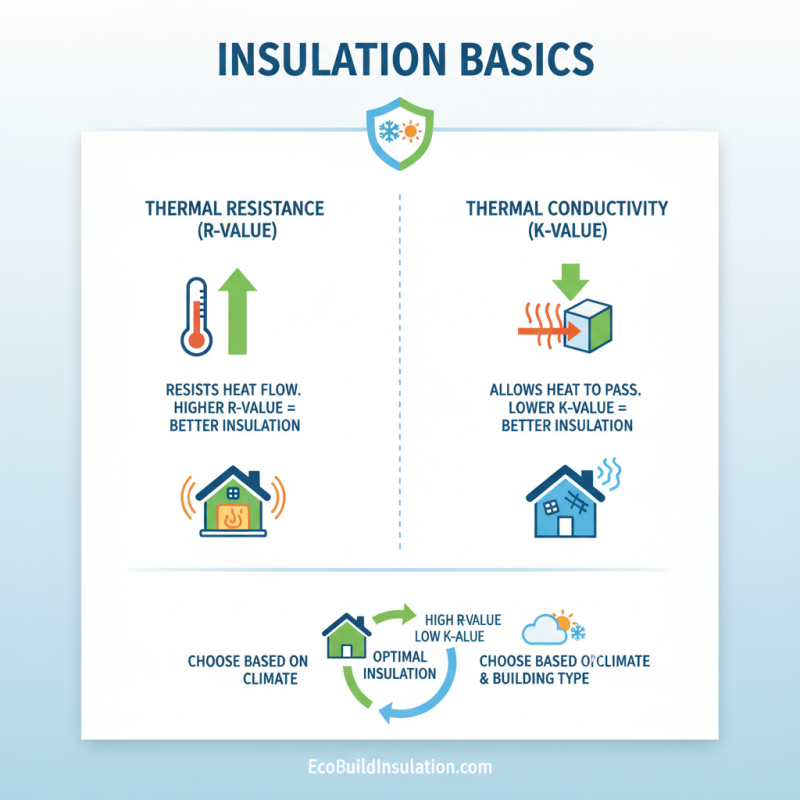
When selecting insulation materials, thermal resistance and conductivity ratings are crucial. They determine how well a material can resist heat flow. Higher thermal resistance means better insulation. Look for ratings that match your climate and building type.
Consider your specific needs. For example, if you live in a cold area, prioritize materials with high R-values. But, be cautious. Material performance can vary in different conditions. Test the options available to you.
Always check installation methods. Some materials perform well when installed properly. Others may lose efficiency due to poor placement. Aim for a thorough understanding of the material's characteristics. Consult with experts to avoid costly mistakes. Remember, not all solutions fit every scenario.
When assessing cost-effectiveness for hot insulation materials, several factors matter. Look beyond the initial purchase price. Installation costs can significantly impact your budget. Often, cheaper materials require more labor or special tools, increasing overall expenses.
Consider the long-term savings from energy efficiency. A more expensive Hot Water Pipe Insulation Material might reduce energy bills. This balance is key for smart spending. Also, factor in the lifespan of the insulation. Some materials last longer, saving you from future replacements.
Tip: Always ask for quotes. Comparing costs helps to identify trends. Look for bulk purchase discounts as well. Remember, cheap can be costly over time.
Evaluate local climate conditions. What works in one area may not suit another. Pay attention to installation procedures. Incorrect methods can lead to problems later. Find reliable resources to guide you. Quality shouldn’t be compromised for savings.
Choosing the right hot insulation material goes beyond just cost and performance. Environmental impact is a crucial factor. A report from the Environmental Protection Agency (EPA) highlights that construction and insulation contribute to 20% of overall carbon emissions in the United States. This figure emphasizes the need for sustainable materials.
Look for insulation with low embodied energy. Materials that require less energy to produce have a smaller carbon footprint. Some innovative options include recycled denim or wool. These options not only offer thermal benefits but also reduce waste in landfills. A study from the U.S. Department of Energy indicates that recycled options can perform as effectively as traditional materials, often exceeding their Insulation Standards.
Consider lifecycle impacts as well. What happens to insulation at its end of life? Many materials end up in landfills, contributing to environmental degradation. Assessing the reusability or recyclability of your chosen insulation is essential. While some materials might be cost-effective initially, their long-term impact can be significant. Reflect on these factors to make a more informed and responsible choice.
When selecting hot insulation material, professional advice is crucial. Experts can help you navigate the numerous options available. They understand the distinctions between Hot Insulation And Cold Insulation. This knowledge can save you time and money.
Consider your space and needs. Insulation choices vary based on attic, walls, or piping. Each area may require different materials. Professionals can assess your specific situation. They will provide tailored recommendations. This is especially important for energy efficiency.
As you explore installation options, remember that not all do-it-yourself methods work. Experience matters in insulation. Poor installation can lead to air leaks, reducing effectiveness. Take time to reflect on the value of professional assistance. Investing in expert guidance may lead to better long-term results.
: Regular exercise improves physical health, boosts mood, and increases energy levels. It also enhances sleep quality.
Begin with simple activities like walking or cycling. Set achievable goals and gradually increase intensity over time.
No gym is needed. Many effective workouts can be done at home without special equipment or large spaces.
Aim for at least 150 minutes of moderate activity weekly. It can be broken into shorter sessions.
Don't dwell on it. Reflect on challenges and adjust your schedule. Consistency is key for progress.
Yes, physical activity releases endorphins. It can reduce stress, anxiety, and improve overall mental well-being.
Choose activities you like. Invite friends or try new classes. Enjoying the process leads to lasting habits.
Changes take time. Focus on how you feel and continue to evaluate your progress regularly.
Yes, nutrition plays a crucial role. A balanced diet supports energy levels and recovery after workouts.
Set specific goals and track your progress. Celebrate small victories. Reflect on your reasons for starting.
When selecting the right hot insulation material for your project, it is essential to understand the fundamentals of these materials and how they meet your specific insulation needs. Begin by evaluating the various types of insulation available, considering factors such as thermal resistance and conductivity ratings to ensure effective performance.
Additionally, assess the cost-effectiveness of each option, balancing your budget with long-term savings on energy bills. It’s also crucial to consider the environmental impact and sustainability of the materials chosen. Finally, seeking professional advice can provide valuable insights, ensuring proper installation and optimal results. By following these tips, you can make an informed decision that aligns with your requirements for hot insulation material.