Welcome to JIECHENG



Leave Your Message
Welcome to JIECHENG
When you're looking to protect your heat pipes, picking the right Heat Pipe Covers is a pretty important step. These covers do more than just insulate—they can actually boost efficiency too. Honestly, the market's got so many options that it can get pretty overwhelming. Every choice has its pros and cons, so it’s kinda about finding what works best for you.
Think about where your heat pipes are going to be. Will they be out in the open, exposed to the elements? Some materials hold up better outside than others. Also, consider how easy or hard the installation might be. Some covers need a pro to get installed properly, while others are more DIY-friendly if you’re into that kind of thing.
And don’t forget about your budget! Going for premium, high-quality covers might cost more upfront but can save you a good chunk of money in the long run. On the flip side, cheaper options might not last as long, so do your homework before buying. Take your time with this—making the right call can really make a difference in how efficient your system is and keeping everything safe and sound.
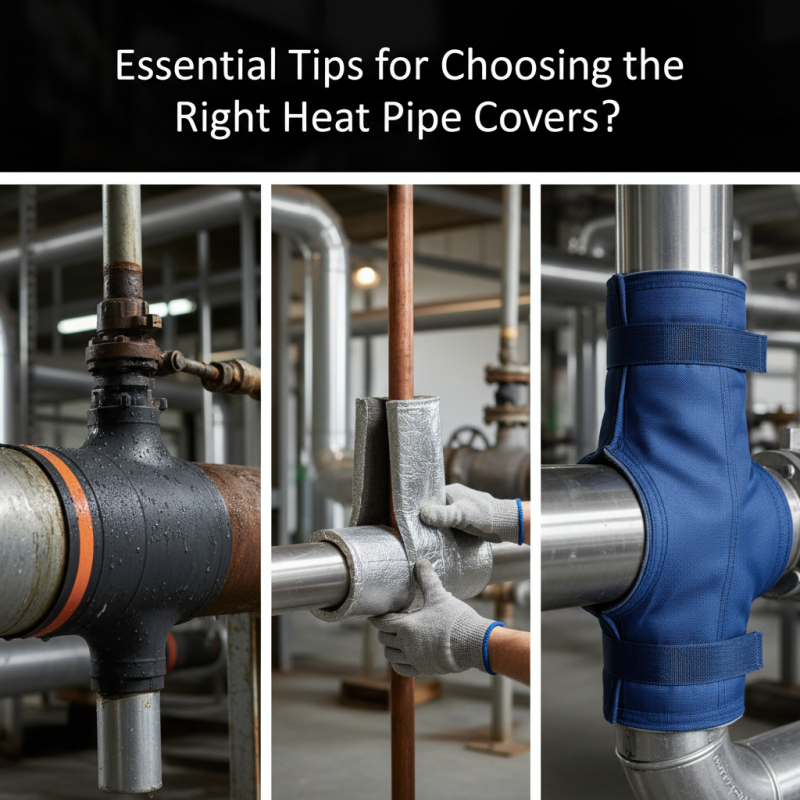
Heat Pipe Covers play a critical role in thermal management. They enhance efficiency while protecting the integrity of the heat pipe system. According to the Thermal Management Association, proper covers can improve heat transfer efficiency by up to 30%. This data highlights the importance of selecting the right materials and designs for specific applications.
When choosing Steam Heat Pipe Covers, consider various factors. The thermal conductivity of materials is essential. A cover with poor thermal performance can hinder the system's efficiency. Furthermore, environmental conditions must be assessed. Covers should withstand temperature variations and moisture. Reports indicate that improper insulation can lead to energy losses of up to 20%. This emphasizes the need for careful evaluation.
Inspecting the durability of covers is crucial too. A weaker cover may lead to failures or increased maintenance costs. Even the best-designed systems can face challenges. Users often overlook factors like installation and maintenance practices. Misalignment can reduce efficiency significantly. Always focus on fit and compatibility for optimal results.
When selecting the right heat pipe covers, several key factors should be taken into account. Material is essential. Choose durable materials that withstand harsh weather conditions. Many options exist, like vinyl or metal. Vinyl is lightweight, while metal offers greater strength. Assess the climate in your area. Not all materials will perform equally in extreme conditions.
Size matters too. The cover should fit snugly over the pipes. Loose covers may expose pipes to the elements. Conversely, tightly fitted covers can trap moisture, leading to corrosion. Measure accurately before making a decision.
Another factor is insulation quality. Good insulation helps maintain the temperature within the pipes. Check the specifications for any potential cover. High-quality covers often have better Insulation Ratings. This can make a significant difference in energy efficiency. The choice ofOutdoor Pipe Covers should not be rushed. Taking time to consider these details will lead to better long-term results.
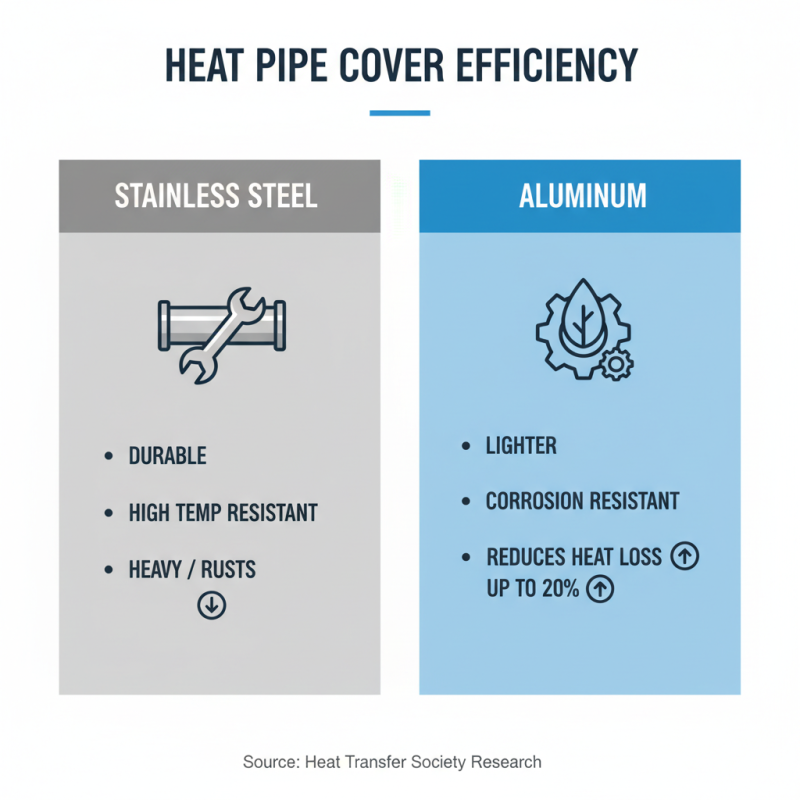
Choosing the right heat pipe cover is crucial for efficiency. Different materials offer distinct benefits and downsides. Stainless steel is common, known for durability. It withstands extreme temperatures but can be heavy. Moreover, it often leads to rust, affecting longevity. On the other hand, aluminum is lighter and more corrosion-resistant. A research report from the Heat Transfer Society notes that aluminum covers can reduce heat loss by up to 20%. However, they may be less robust than steel in high-stress applications.
Plastic is emerging as a lightweight alternative. It’s cost-effective and provides decent insulation. Yet, its performance varies significantly with temperature changes. In many cases, it can warp under heat. Industry insights suggest that while plastic can be useful, it may not last as long as metal covers in outdoor environments. A survey found that 30% of users experienced failure in plastic components within two years.
Thermal performance should influence your choice. Some materials perform better in specific environments. Detailed analysis of heat retention reveals that copper-coated covers can enhance efficiency by up to 15%. Yet, they are expensive and not always feasible. Each material has its pros and cons, requiring careful consideration based on application needs and environmental factors.
Choosing the right heat pipe covers involves careful consideration of sizing and fit. An ill-fitting cover can lead to inefficiencies. You may think a standard size works. However, it might not provide proper insulation. Adjustments could be necessary to ensure coverage.
Take measurements of your heat pipes diligently. A cover that is too tight may risk damage. Conversely, a loose cover will not offer adequate protection. Check the diameter and length multiple times. Pay attention to any bends or curves in the heat pipes. This step is crucial for achieving a snug fit.
In some cases, you could find that visual inspections reveal gaps or overlaps. Never overlook these details, as they can impact heat transfer efficiency. You might need to experiment with various covers. Don't hesitate to seek advice from experts for better fit recommendations.
When selecting heat pipe covers, thermal performance is crucial. Evaluating efficiency begins with material choice. Some materials provide Excellent Insulation, while others don't. Conducting research is essential. People often overlook this detail. The right material influencesheat retention significantly. Look for covers that promise low thermal conductivity.
Another factor is design. The shape of pipe covers can affect airflow and heat loss. A well-designed cover traps heat effectively. However, not all designs suit every application. Users should measure their specific pipes. It's easy to assume a cover will fit any installation. Yet, that can lead to inefficiencies.
Finally, consider installation ease. Complicated setups might deter proper use. If installation is too challenging, it may be ignored altogether. Regular maintenance and inspections play a role too. Over time, wear may reduce thermal performance. Pipe Covers Outside are exposed to elements. Regular checks help in sustaining efficiency. Users must remain proactive to ensure optimal thermal performance.
Installing heat pipe covers might seem straightforward, but there are best practices to consider. It’s essential to ensure they fit snugly around the pipes. Loose covers can lead to exposure. This can compromise insulation. Pay attention to the local climate when choosing materials for the covers. Some materials perform better in extreme temperatures.
When you begin installation, take accurate measurements. Cutting the covers too short can leave sections unprotected. Conversely, an oversized cover can lead to poor insulation. Test fit them before securing. If they don’t align perfectly, it’s worth adjusting. Don’t rush; a hasty job often leads to mistakes.
Consider adding extra insulation when possible. This can enhance the efficiency of your Protective Pipe Covers. Check for any potential gaps and address them immediately. If you encounter challenges, reflect on what went wrong. Each installation is a learning process. Emphasizing details now will save complications in the future.
Maintaining heat pipe covers is crucial for their longevity. Proper care ensures they function efficiently. Regular inspections can reveal wear and tear. Look for rust or damage that could lead to leaks. Small issues can escalate if not addressed early.
Cleaning is essential too. Use a soft cloth to wipe away dust. Avoid abrasive materials, as they can scratch the surface. Excessive heat can warp covers. It's wise to ensure they are not exposed to extreme temperatures.
Here are some tips for better maintenance. Always check the installation regularly. Loose fittings can cause problems later. Ensure ventilation is adequate around the heat pipes. Poor airflow can lead to overheating. Regular care prevents costly replacements down the line. Keep your heat pipe covers in top shape for the best performance.
| Tip | Description | Importance |
|---|---|---|
| Material Selection | Choose high-quality materials to ensure durability and heat resistance. | Critical for performance |
| Size Accuracy | Ensure the cover fits perfectly to avoid heat loss or damage. | Highly important |
| Insulation Quality | Opt for covers with good insulation properties to maintain efficiency. | Important |
| Ease of Maintenance | Select covers that are easy to clean and maintain for longevity. | Beneficial |
| Environmental Resistance | Choose covers that can withstand environmental factors like moisture and UV rays. | Very important |
: The article discusses effective strategies for improving productivity in daily tasks.
Try using a planner or a digital calendar to organize your tasks efficiently.
Limit social media usage during work hours. Create a focused workspace.
It involves working for 25 minutes, then taking a 5-minute break. Repeat this cycle.
Setting clear goals helps maintain motivation and directs your focus effectively.
Multitasking often leads to decreased efficiency. It’s better to focus on one task at a time.
Yes, regular breaks can recharge your mind. They help maintain high levels of focus.
A cluttered environment can lead to mental distractions. A tidy space can enhance concentration.
Yes, assess their urgency and importance to tackle them effectively.
Regularly review your progress and adjust your strategies based on what works best.
Heat Pipe Covers play a crucial role in enhancing the efficiency and longevity of heat pipes used in various thermal management applications. Understanding their importance is vital, as the right covers can significantly influence thermal performance. When selecting Heat Pipe Covers, several key factors should be considered, including material types, sizing, and fit. Each material offers unique advantages and disadvantages, while ensuring proper sizing guarantees effective coverage and protection.
Additionally, evaluating the thermal performance of Heat Pipe Covers is essential to maximize efficiency. Installation must be approached with best practices to ensure optimal function, while regular maintenance and care will further extend the lifespan of these essential components. By taking these factors into account, one can make informed decisions and ensure that their heat management systems operate at peak performance.