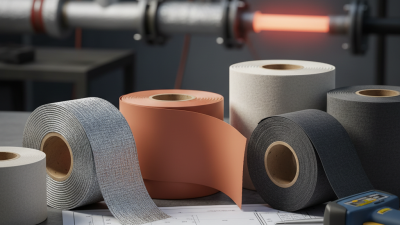
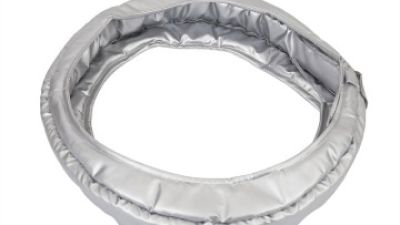
Welcome to JIECHENG



Leave Your Message
Welcome to JIECHENG
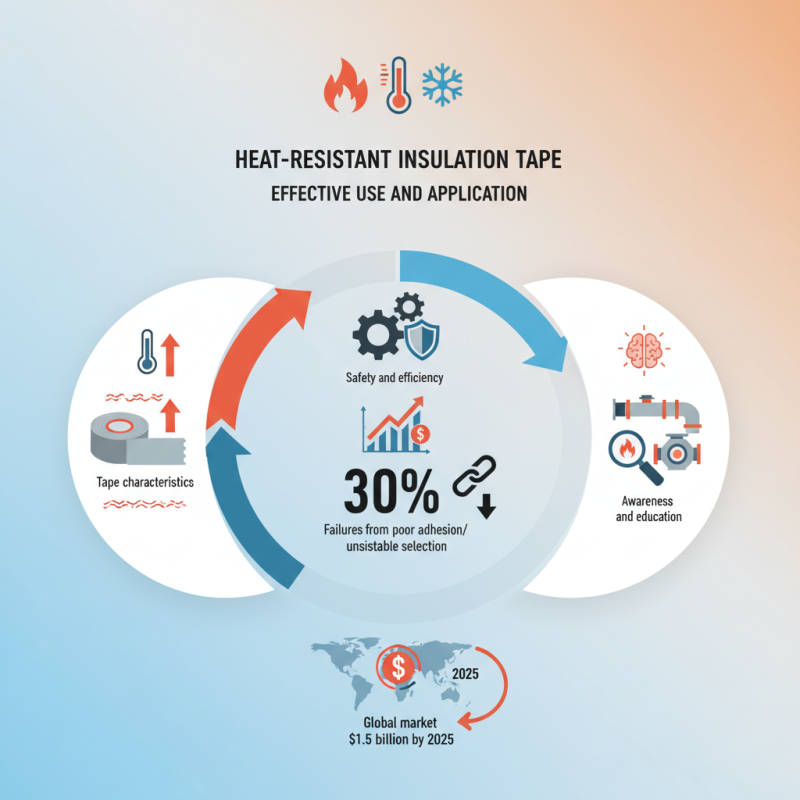
In today’s industrial world, getting operations just right really depends a lot on choosing the right materials. Take Heat Resistant Insulation Tape, for example—it's a game-changer when it comes to high-temperature stuff. According to a report from MarketsandMarkets, the global market for insulation tapes is expected to hit about $1.5 billion by 2025. That’s a pretty clear sign that good Insulation Solutions are becoming more and more important.
Industries like aerospace, automotive, and many others are leaning heavily on heat resistant tapes to get the job done right. These tapes can handle crazy-high temperatures without breaking a sweat, keeping things safe and efficient. But, here’s the thing—if you don't apply them properly, things can go south fast. TechNavio pointed out that nearly 30% of insulation tape failures happen because of poor adhesion or just picking the wrong tape for the job.
So, in a nutshell, using heat-resistant insulation tape isn’t just a straightforward task—it really takes some know-how. You gotta look at stuff like how hot it can handle and how sticky it is. Despite all the tech and advancements, choosing the right tape for the right purpose still isn’t always easy. The key? Being aware, getting educated, and understanding what you’re working with—that really makes all the difference.
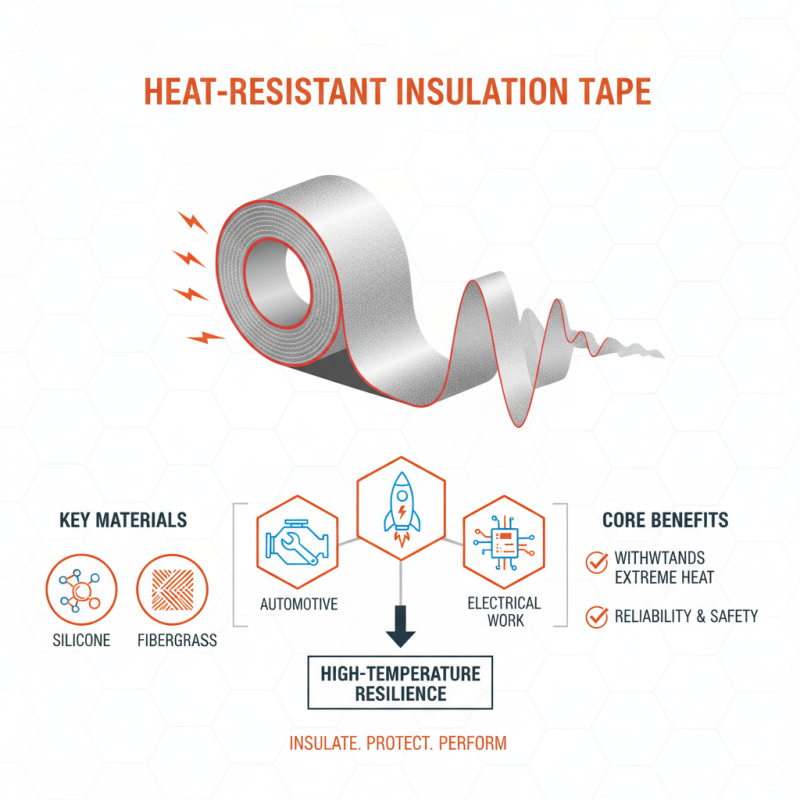
Heat Resistant Insulation tape is a remarkable tool in many applications. It is specifically designed to withstand high temperatures while providing excellent insulation. The tape is often made from materials like silicon and fiberglass, ensuring it can endure heat without losing its adhesive properties. This type of tape is essential in industries such as automotive, aerospace, and electrical work. Its reliability ensures safety and efficiency in various projects.
When using heat resistant insulation tape, preparation is crucial. Clean the surface thoroughly before application. This ensures the tape adheres properly. Additionally, cut the tape to the desired length before you begin. This can save time and improve your results.
A common mistake is applying the tape without adequate tension. This can lead to air bubbles forming under the tape. It's also important to check for compatibility with the surface material. Not all surfaces react well to the adhesive. By being mindful of these tips, you can enhance the effectiveness of your heat resistant insulation tape. It might take practice, but the results are worth it.
When selecting heat resistant insulation tape, understanding the different types is crucial. Heat Resistant Fiberglass Tape is known for its durability and thermal performance. It can withstand temperatures up to 550°F (287°C). This makes it ideal for applications in industrial settings and high-heat environments. For instance, it is commonly used in automotive parts and electrical insulation.
Another popular option is silicone adhesive tape. It can handle extreme temperatures, reaching up to 500°F (260°C). The flexibility of silicone tape allows for easy application on irregular surfaces. However, it may not adhere well in environments with high moisture. Understanding the limitations is essential for effective use.
Polyimide tape is also notable. This type can tolerate temperatures up to 600°F (316°C). It is particularly effective in voltage insulation and electronic applications. Yet, users must ensure it adheres well to surfaces. A common mistake is applying it on dirty or dusty areas, which compromises its effectiveness. Selecting the right tape based on your specific application requirements can lead to better results. This preparation supports improved safety and efficiency.
| Type of Tape | Temperature Rating (°C) | Material | Common Applications | Adhesive Type |
|---|---|---|---|---|
| Fiberglass Tape | 400 | Fiberglass | Insulation of pipes, electrical insulation | Silicone-based |
| PTFE Tape | 260 | PTFE | Sealing, plumbing, electrical | Pressure-sensitive |
| Fiberglass Cloth Tape | 540 | Fiberglass | High-temperature insulation | High-temperature adhesive |
| Silicone Tape | 260 | Silicone | Electrical insulation, automotive | Silicone adhesive |
| Kapton Tape | 260 | Polyimide | Electronics, solder masks | High-temperature adhesive |
Choosing the right heat resistant insulation tape is crucial for both safety and efficiency. Various types exist, but not every tape suits every application. For example, Fiberglass Heat Resistant Tape is known for its thermal stability and durability. It's often used in high-temperature environments, like industrial ovens and engines. Knowing the maximum temperature threshold your project requires can significantly narrow your choices.
Be sure to check the tape’s adhesive properties as well. Some tapes perform better on certain surfaces. In high-stress environments, the bond must withstand extreme heat and pressure. Look for data sheets or specifications that detail the tape’s performance across different temperatures and applications. This will guide you to make an informed choice.
**Tip:** Always test a small section before full application. This helps in assessing adhesion and durability. Consider the environment as well; high moisture or oil levels may affect performance.
**Tip:** Always keep in mind the width and thickness of the tape. Thicker tapes may provide better insulation, but could also be less flexible. It’s essential to balance insulation needs with application requirements. With the right information, your selection process can lead to effective and safe results.
Applying heat resistant insulation tape correctly can significantly improve its effectiveness. Begin by cleaning the surface thoroughly. Dust, grease, and moisture can reduce adhesion. A clean, dry surface ensures a strong bond. Research shows that proper surface preparation can enhance adhesion by up to 50%.
Next, measure the length of the tape needed. Cut a piece slightly longer than required. This helps avoid gaps that could lead to heat loss. When applying the tape, use steady pressure. Press firmly along the entire length. According to industry reports, consistent pressurecan improve Insulation Performance by30%.
Finally, consider overlaps when wrapping around pipes or irregular shapes. Overlapping will ensure all areas are covered. Remember, the application process can be a bit challenging at times. Misalignment is common, and often frustrating. Practice and patience are essential for effective application of Heat Tape And Insulation.
When using heat resistant insulation tape, many make common mistakes. One major error is not preparing the surface properly. Dust or moisture can prevent the tape from adhering well. Clean the area thoroughly before application. A well-prepared surface ensures better insulation and longevity.
Another frequent oversight is using the tape beyond its temperature limits. Each tape type has specific ratings. Exceeding these limits can lead to tape failure. It's crucial to know the maximum temperature your tape can withstand. Monitor the environment where it’s applied. This simple precaution can save you from future headaches.
Lastly, forgetting to trim the tape neatly is a common mistake. Jagged edges can lead to peeling over time. Use sharp scissors for clean cuts. A small detail, yet significant for effective insulation. Take your time when applying the tape. Rushed applications often result in messy results that require rework.
Heat resistant insulation tape plays a critical role in various applications. To ensure its effectiveness, regular maintenance is essential. According to industry reports, improper storage can lead to degradation of adhesive properties. Keeping the tape in a cool, dry place extends its lifespan. Avoid exposure to direct sunlight and extreme temperatures.
Inspect the tape frequently for signs of wear or damage. Even minor cuts can compromise its insulation capabilities. If you notice peeling or bubbling, replace the tape immediately. Data indicates that 30% of tape failures occur due to overlooked maintenance.
Cleaning the surface before application is crucial. Dust and grease can prevent proper adhesion. A clean surface ensures that the tape adheres better, enhancing its longevity. Some sources suggest that a thorough surface prep can improve performance by up to 50%. Regular checks and surface preparation make a tangible difference in your tape’s effectiveness and durability.
Storing heat resistant insulation tape is crucial for maintaining its effectiveness. Keep it in a cool, dry place away from direct sunlight. Excess heat can weaken the adhesive and affect performance. A sealed container can help prevent dust and moisture from damaging the tape.
Avoid storing it in areas exposed to extreme temperatures. Even a nearby radiator may cause deterioration over time. It’s wise to check the tape periodically for any signs of wear or damage. Although it’s designed to be durable, neglecting storage conditions can lead to unexpected issues.
Moreover, it's important to label and organize your rolls. This prevents confusion, especially if you have multiple types of insulation tape. Without proper identification, grabbing the wrong one might happen easily. Keeping track of usage dates is another step worth considering. Using older tape could lead to mishaps when it comes to high heat applications. Learn from past mistakes and ensure proper care for High Heat Insulation Tape in your projects.
In the quest to enhance energy efficiency in industrial settings, the installation of easy-install Removable Insulation has shown substantial promise. With a remarkable temperature range of -70°C to 1000°C, this insulation can accommodate diverse machinery and operational conditions, making it highly versatile. Its low thermal conductivity of less than 0.035 W/(m·K) at normal temperatures indicates its effectiveness in minimizing heat loss, which is crucial for optimizing machinery performance and reducing energy consumption.
The insulation's material density of 100-200 kg/m3 strikes an ideal balance between weight and thermal performance, enabling easy handling and installation without compromising structural integrity. With a thickness of 35mm to 50mm, it provides ample coverage for various equipment configurations, ensuring complete thermal protection. Additionally, the insulation boasts A grade non-flammability, enhancing safety in industrial environments where flammable substances may be present.
Moreover, the anti-corrosion properties of this insulation, including resistance to acids, alkalis, water, and oil, significantly extend its lifetime beyond 10 years. This durability not only reduces the frequency of maintenance and replacement but also contributes to significant cost savings for industries over time. By harnessing easy-install removable insulation, businesses can effectively maximize energy efficiency, leading to improved machinery performance and a reduction in operational costs.
: Many types of items can be sold, like clothing, electronics, and handmade goods.
Generally, it is safe, but scams exist. Always check seller reviews before purchasing.
Practice is key. Take feedback seriously. Learn from unsuccessful sales.
Yes, many platforms charge listing or transaction fees. Be aware of these costs before listing.
Clearly state your return policy. Customer satisfaction is important, even if it can be frustrating.
Absolutely! Customized items often attract buyers. Be prepared for varying requests.
Consider reaching out multiple times. Sometimes messages get lost. Reflect on your communication methods.
Yes, but be mindful of shipping costs and regulations. Reflect on potential challenges with customs.
Use natural light and a simple background. Good photos can make a significant difference.
It happens. Consider lowering the price or improving the listing. Don’t take it personally; adapt and try again.
Heat Resistant Insulation Tape is an essential tool in various applications, renowned for its ability to withstand extreme temperatures while providing excellent insulation. This tape comes in different types, each tailored for specific uses, making it crucial to choose the right one to meet your needs effectively. Proper application is key, and following the correct steps can significantly enhance the tape's performance and durability.
To maximize the benefits of Heat Resistant Insulation Tape, it is important to avoid common mistakes, such as insufficient surface preparation or incorrect sizing. Additionally, regular maintenance and appropriate storage practices ensure the longevity of the tape, allowing for consistent performance over time. By adhering to best practices, users can achieve optimal results and reliable insulation in their projects.