Welcome to JIECHENG



Leave Your Message
Welcome to JIECHENG
When you're trying to pick out the right Thermal Insulation Blankets, there's actually quite a bit to consider. These blankets are pretty important—they help keep us comfy, whether it’s in the cold or really hot weather. They can keep you warm when it’s chilly outside, or reflect heat away when it’s blazing hot. Whether you're shopping for your house, car, or gearing up for a camping trip, choosing the right blanket can seriously make a difference in your overall experience.
One thing to think about is what materials these blankets are made of. Different fabrics offer different kinds of insulation. Some are super lightweight and easy to pack around, while others are thicker and built to last longer. It really depends on what you need—do you want something that’s easy to carry, or do you need max protection against the cold?
And don’t forget about how well the blanket actually works. Not all Thermal Insulation Blankets perform the same—some might not keep you as warm as you’d hope, which can be pretty frustrating. It’s a smart move to do a bit of research, read reviews, and see what others are saying. After all, you want something that actually lives up to its promises and keeps you comfortable when it counts.

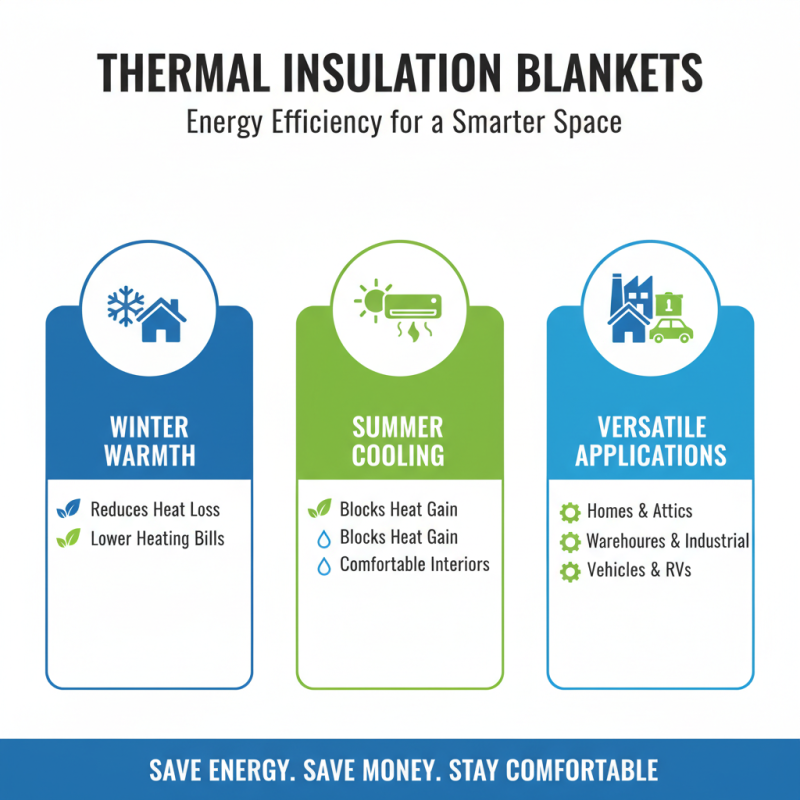
Thermal insulation blankets play a crucial role in maintaining energy efficiency. They help reduce heat loss in colder months and keep spaces cooler during summer. This versatility makes them valuable for homes, warehouses, and even vehicles. Understanding their benefits is essential for making an informed choice.
One significant advantage is their ease of use. Many options, like Removable Thermal Insulation Blankets, allow for quick installation and removal. This feature is particularly useful for seasonal transitions. In addition, these blankets are often lightweight yet effective. However, buyers sometimes overlook the importance of material thickness and overall durability. A thicker blanket might offer better insulation, but it can also be bulkier and harder to handle.
Another factor is noise reduction. Many thermal insulation blankets can dampen sound. This means they not only keep your space comfortable but also quieter. However, it's worth mentioning that not all blankets provide the same level of noise insulation. Users should assess their specific needs before making a decision. Choosing the right thermal insulation blanket can be challenging, but understanding these details can lead to more satisfactory results.
When considering thermal insulation blankets, it's crucial to identify your specific insulation needs. Evaluate the area you wish to insulate. Is it for pipes, walls, or equipment? Pipe Insulation Blankets are ideal for preventing heat loss in plumbing systems. Measure the dimensions carefully before selecting a blanket. A poorly sized blanket could defeat the purpose of insulation.
Think about the temperature range your insulation must endure. Some environments require more robust materials to handle extreme temperatures. High-heat areas may need thicker insulation. Consider your climate as well. Do you live in a hot or cold region? Insulation needs may change with seasons.
Reflect on the installation process. Can you do it yourself, or will you need assistance? Some blankets are easier to install than others. It’s wise to read reviews and gather information. However, not every product may live up to the hype. Sometimes, users find that their choice fell short in performance. Choosing the right thermal insulation blanket takes time and thoughtful consideration.
When it comes to thermal insulation blankets, the material choice plays a crucial role. Common options include fiberglass, foam, and reflective materials. Fiberglass Insulation is widely used due to its affordable cost and effectiveness. It traps air and resists heat flow. However, it can be irritating to the skin, and proper handling is necessary.
Foam blankets offer excellent thermal resistance and are lighter. They can be thicker, which can provide better insulation in certain situations. Yet, they may not provide the same durability as fiberglass. Reflective materials, like mylar, are good for specific applications, especially in cold climates. They can reflect radiant heat, keeping warmth in during winter. However, they are less effective against conductive heat loss.
Choosing the right material involves careful consideration. Each has its strengths and weaknesses. Evaluating specific needs, such as the environment or application, is necessary. Consider the installation process, as it can affect long-term efficiency. Think about how much maintenance each material requires, too. You might find that one material excels in one area but falls short in others.
When choosing thermal insulation blankets, the R-valueis a crucial factor. This value measures the material's ability to resist heat flow. Higher R-values indicate better Insulation Performance. Ideal R-values depend on your climate. In colder areas, you need a higher rating to maintain warmth. However, in milder climates, a lower rating might suffice.
Consider the blanket's thickness as well. Thicker insulation often provides better performance. But thickness isn't the only factor. The material and design also play significant roles in insulation effectiveness. Keep in mind that not all materials with high R-values are equally effective in all situations. It's essential to assess your specific needs.
Tips for choosing the right blanket: Measure your space accurately. Understand your local climate. Don't ignore the installation process. A poorly installed blanket can lose benefits. Lastly, research different insulation materials. Comparing performance ratings can be insightful. Remember, efficiency isn't just about R-values; it's about how everything fits together in your environment.
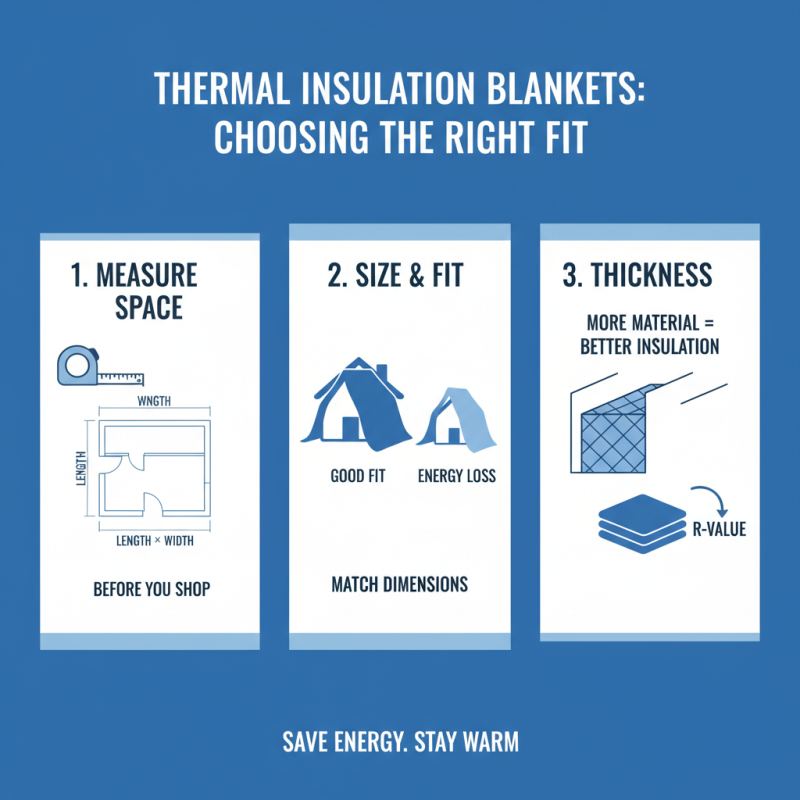
Choosing the right thermal insulation blankets requires careful consideration of size and fit. The dimensions of your space will largely dictate the type and number of blankets you need. Measure your area before shopping. An ill-fitting blanket can lead to energy loss. Make sure to note thickness as well; more material often means better insulation.
Tips: When fitting blankets to pipes or valves, remember they should cover the entire surface. Gaps reduce effectiveness. Use these blankets, like Valve Insulation Blankets, to minimize heat loss in industrial settings. Ensure that the blankets can withstand the specific temperatures of your application. It’s also wise to check whether they’re adjustable.
Consider how you’ll secure the blankets in place. Some may slip or shift, especially in high-traffic areas. Think about ease of installation as well. It’s frustrating to deal with complex setups when managing your insulation needs. If you find yourself confused about sizing, don't hesitate to consult an expert. A well-fitted insulation blanket can make a significant difference in your energy efficiency.
When deciding on thermal insulation blankets, cost and value are crucial. Flexible Insulation Blankets can vary significantly in price. Some options might seem cheaper at first, but they often lack durability and effectiveness. It's vital to consider how often you’ll use these blankets and the environments they’ll face. If you buy a low-cost option, you may end up replacing it sooner than expected.
In evaluating your budget, look for a balance between cost and quality. Expensive materials sometimes provide better insulation, but other factors matter too. For example, lightweight blankets may be easier to handle, yet they might not always perform well in colder conditions. Reading customer reviews can offer insights into real-world performance.
Choosing the right insulation blanket involves some trial and error. If a blanket does not meet your needs, it can lead to disappointment. Reflecting on what worked or didn't can guide future purchases. Think about how much you are willing to spend and learn from mistakes. Prioritizing features that matter most will help you make a wise investment.
Choosing the right thermal insulation blanket involves assessing its maintenance and longevity. Some materials require frequent upkeep, while others need minimal care. When considering your purchase, think about how often you can dedicate time to maintenance. A more durable blanket might be worth the initial investment.
A good insulation blanket should withstand different conditions. Pay attention to its materials, as they determine durability. Natural fibers, while effective, may degrade faster than synthetic options. Evaluate how the blanket reacts to moisture and temperature changes. These factors influence how long it lasts and how effectively it insulates.
**Tip:** Look for blankets with easy-to-clean features. This can save you time and hassle. Consider those that resist mildew or mold for longer use. Regular inspections can also prevent early degradation. Check for signs of wear and tear often. Address minor issues before they become major problems. Keeping your insulation blanket in good shape can extend its life significantly.
| Material Type | R-Value | Maintenance Frequency | Lifespan (Years) | Cost per Square Foot |
|---|---|---|---|---|
| Reflective Foil | 2.0 - 4.0 | Annually | 5 - 10 | $0.70 |
| Fiberglass | 3.0 - 5.0 | Every 3-5 Years | 20 - 30 | $1.00 |
| Mineral Wool | 3.0 - 4.5 | Every 5 Years | 30 - 50 | $1.20 |
| Rock Wool | 3.5 - 4.5 | Every 5-10 Years | 50+ Years | $1.50 |
| Spray Foam | 5.0 - 7.0 | Every 10 Years | 25 - 50 | $2.00 |
In the realm of machinery, effective thermal management is crucial for optimal performance and energy efficiency. Innovative heat insulation solutions like flexible heat insulation blankets offer numerous benefits that address both operational challenges and cost-effectiveness. With a remarkable temperature range from -70°C to 1000°C, these insulation blankets are designed to withstand extreme conditions while maintaining thermal integrity. They possess a thermal conductivity of less than 0.035 W/(m·k) at normal temperatures, which signifies exceptional insulating power, thus effectively minimizing heat loss and enhancing energy savings.
Moreover, the physical properties of these blankets contribute significantly to their long lifespan and reliable performance. With a material density ranging from 100 to 200 kg/m3 and a thickness of 35mm to 50mm, they provide robustness without sacrificing flexibility, making them easy to apply in various industrial settings. Notably, their A-grade non-flammable rating and resistance to corrosion—covering both acidic and alkaline environments as well as water and oil—ensure that they can endure harsh working conditions. Industry reports highlight that with a lifetime exceeding 10 years, investing in flexible heat insulation blankets not only improves machinery efficiency but also reduces maintenance costs, making them an invaluable asset for any operation reliant on thermal management solutions.
: The product aims to improve daily productivity. It helps users manage tasks more efficiently.
It offers easy navigation and intuitive design. Users can quickly access features without confusion.
Basic internet access is needed. Users should also ensure compatibility with their devices.
Yes, users can adjust settings to fit their preferences. This customization enhances usability for everyone.
Check the troubleshooting guide first. If problems persist, consider reaching out for assistance.
Feedback can be submitted through the designated form. User insights are valuable for improvements.
A mobile version exists. It offers similar features tailored for smaller screens.
Updates are provided regularly. Frequency may vary based on user feedback and improvements needed.
Sharing accounts is not recommended. This helps maintain privacy and security for individual users.
If necessary details are missing, consider contacting customer support. They can guide you further.
When selecting the best thermal insulation blankets for your needs, it is essential to first understand their benefits and functions. These blankets play a crucial role in maintaining temperature and improving energy efficiency. Begin by identifying your specific insulation requirements, which may vary based on the intended application, space, and climate.
Next, compare the different materials available, as they can significantly affect the performance and effectiveness of thermal insulation blankets. Additionally, evaluating the R-values and performance ratings will help you assess their insulation capability. Consider the size and fit to ensure optimum coverage, while also analyzing the cost in relation to your budget constraints. Finally, think about the maintenance and longevity of the blankets to ensure they meet your long-term insulation needs effectively.