Welcome to JIECHENG



Leave Your Message
Welcome to JIECHENG
Picking the right Heated Water Pipe Insulation is super important if you want your pipes to last longer and save on energy bills. Cold weather can be a real pain—water pipes tend to freeze, and that can lead to some pretty expensive repairs. Using good quality insulation helps prevent all that hassle.
There are actually a few different materials you can choose from for heated Water Pipe Insulation—think foam, fiberglass, rubber, and so on. Each one has its own perks, like better insulation or durability. It’s a good idea to consider what your specific situation needs. Don't forget to weigh your local climate as well — what works in one place might not be the best for another.
And hey, installation matters just as much as the material itself. If you don’t install it properly, all the benefits pretty much go out the window. If you’re not confident doing it yourself, it’s totally worth reaching out to pros—companies like Insulation Solutions know their stuff and can offer some really helpful advice. Plus, understanding your water system and how it’s set up can make a big difference.
When you think about all these factors, making the right choice becomes easier. At the end of the day, being informed about heated water pipe insulation isn’t just smart—it can save you a ton of time and money down the line.
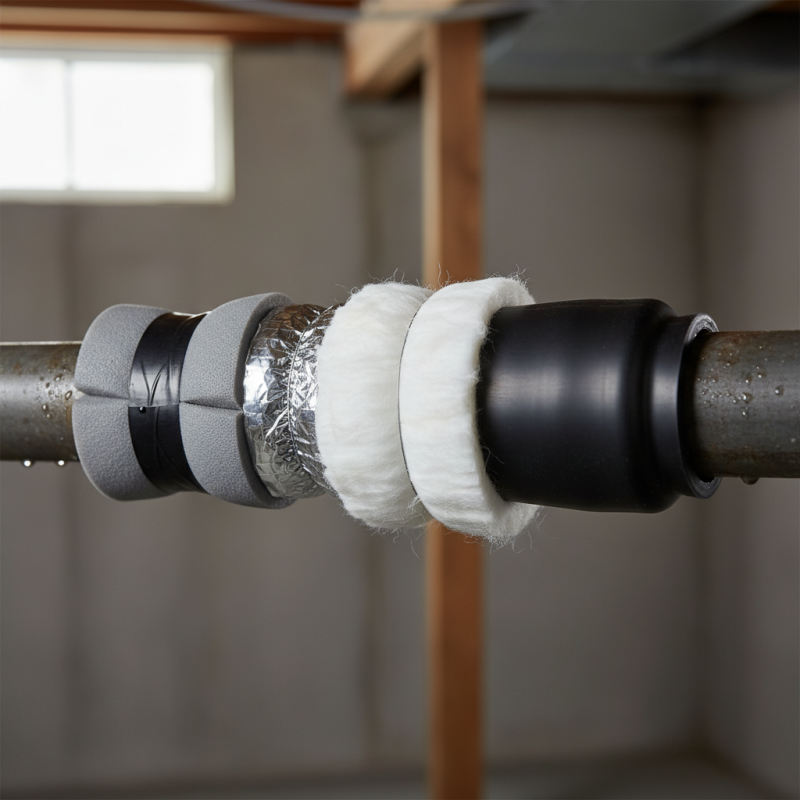
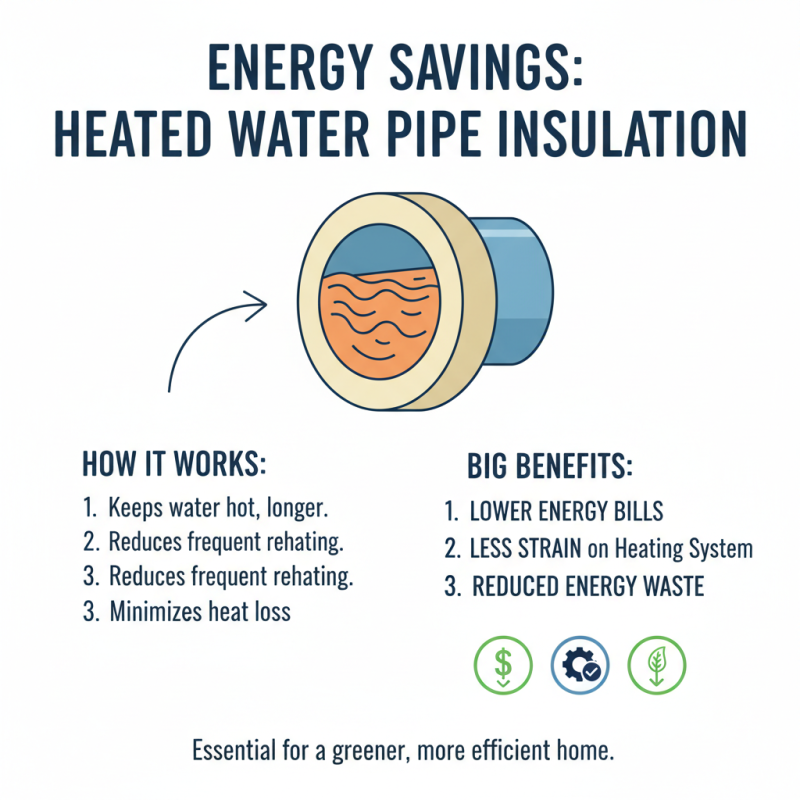
Heated water pipe insulation is essential for energy efficiency. It keeps water hot longer, reducing the need for constant heating. This translates to lower energy bills and less strain on the heating system. Insulation Materials can vary, but all aim to minimize heat loss.
Many homeowners overlook insulation. They see it as an extra expense rather than a smart investment. However, proper insulation can save significant costs over time. Choosing the right insulation involves considering climate and pipe locations. For example, pipes in unheated spaces require more attention.
Installation can be tricky. Many rush through it, leading to potential gaps. Even a small opening can allow heat to escape, negating benefits. Regularly checking insulation for wear is vital. If the layers degrade, efficiency drops. Taking time to assess and upgrade insulation pays off in the long run.
When selecting heated water pipe insulation, understanding the various materials available is crucial. Common options include foam, fiberglass, and rubber. Foam insulation effectively reduces heat loss, while fiberglass is known for its durability. Rubber is flexible and can accommodate tight spaces. Each type offers unique benefits and fits different needs.
Tips: Consider the temperature ratings of the materials. Some insulation types can handle higher temperatures better than others. Always check the thickness of the insulation. Thicker materials generally provide better protection but may also take up more space.
Heated Pipe Jacket is one popular form of insulation. It helps maintain water temperature in colder environments. However, proper installation is vital. A poorly installed jacket can lead to heat loss, negating its benefits. Additionally, consider your local climate. Insulation suitable for one region may not work well in another. Always reflect on your specific requirements before making a decision.
When selecting heated water pipe insulation, insulation thickness is a critical factor. The right thickness helps maintain water temperature, reducing energy consumption. According to industry reports, pipes with sufficient insulation can save up to 30% on heating costs annually. This is particularly important in colder climates, where heat loss can be significant.
Tips: Consider the climate zone. Thicker insulation may be needed in areas with extreme temperatures. For pipes exposed to outdoor conditions, a minimum thickness of 1 inch often provides adequate protection. Analyze local energy prices and seasonal variations to better assess your insulation needs.
Test various materials. Not all insulation types deliver the same performance. Some materials may initially seem effective, but their long-term durability could be lacking. Regular maintenance is crucial to ensure the insulation remains effective. Keep an eye on wear, especially in high-traffic areas.
| Factor | Details | Recommended Thickness (inches) |
|---|---|---|
| Temperature Range | Identify the operating temperature of the water pipes. | 1 - 2 |
| Ambient Conditions | Consider external temperatures and exposure to elements. | 1.5 - 3 |
| Material Type | Choose from fiberglass, foam, or rubber insulation. | Variable |
| Pipe Diameter | Assess the size of the pipes for insulation fit. | 0.5 - 2 |
| Energy Efficiency | Consider insulation that maximizes heat retention. | 1 - 2 |
| Installation Ease | Select insulation that is easy to install and maintain. | N/A |
| Budget | Account for the cost of insulation materials. | Variable |
Choosing the right Water Pipe Insulation is crucial, especially for maintaining optimal temperatures. Heated water pipes require insulation that can prevent heat loss. Without proper insulation, energy efficiency diminishes. Insulating materials should fit snugly around the pipes. Gaps or overlaps can compromise thermal performance.
For ideal performance, consider the surrounding environment. Exposure to cold drafts or extreme temperatures can hinder effectiveness. Insulation materials should withstand various weather conditions. Using thicker insulation often presents better temperature maintenance. However, this comes with higher costs. Balance is necessary.
Temperature sensors can help monitor conditions. They indicate if your insulation is working efficiently. If not, reflect on your choices. You might need to adjust the insulation thickness or material. Keep monitoring the heated water pipes to ensure they perform optimally. Regular checks can reveal when adjustments are needed. Water pipe insulation is not a one-time decision; it needs ongoing attention.
When selecting heated water pipe insulation, understanding R-value is crucial. R-value measures the insulation's effectiveness in resisting heat flow. A higher R-value indicates better thermal resistance. For heated water pipes, this means reduced heat loss, leading to more energy efficiency.
Evaluate the R-value according to your climate. In colder regions, pipes need higher R-values to prevent freezing and maintain temperature. Look for insulation materials that can withstand extreme conditions. However, not all options are suitable for every situation. Some may not perform well over time, losing effectiveness.
Make sure to check installation ease as well. Complex installations can lead to mistakes that reduce Hot Water Pipe Insulation's efficiency. Balancing R-value with practical usage ensures you choose wisely. Reflect on your choices; proper insulation prevents costly repairs down the line.
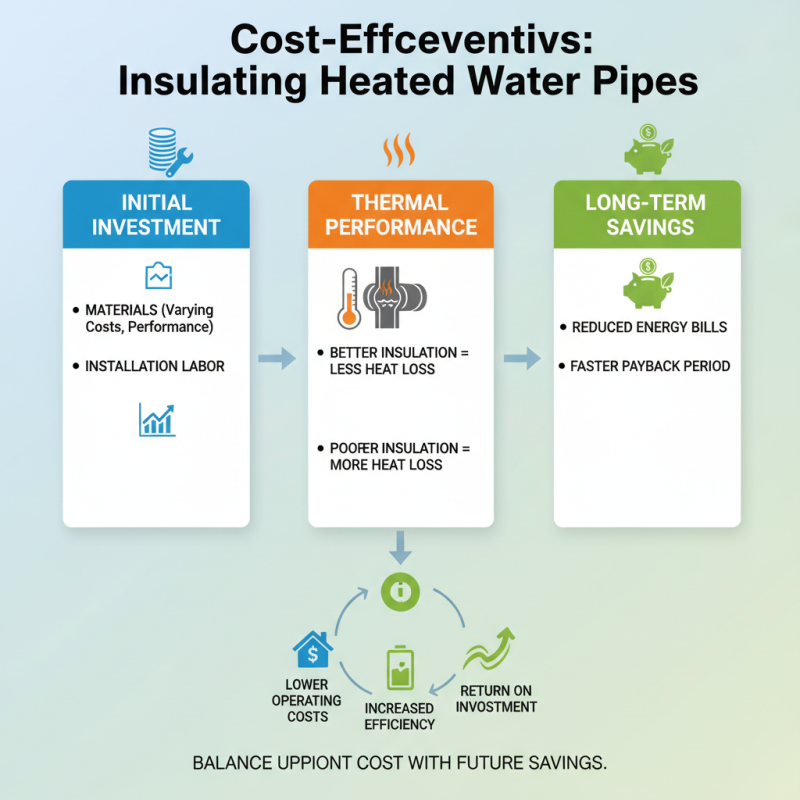
When analyzing the cost-effectiveness of insulating heated water pipes, several factors come into play. First, the initial investment in materials and installation should be considered. Different types of insulation materials have varying costs. Some may offer better thermal performance but can be pricier. On the other hand, lower-cost options might not provide sufficient insulation, leading to higher energy expenditures over time.
Thermal efficiency is key in this analysis. Heat loss can significantly impact utility bills. Good insulation for the water main pipe can prevent energy waste. Higher temperatures can lead to increased energy usage, so insulation reduces the need for additional heating. However, finding the right balance is crucial. If the insulation isn't adequate, you might face excessive heat loss. This compromises the benefits you're trying to achieve.
Long-term maintenance costs are also an important factor. Insulation can deteriorate over time, requiring replacements or repairs. Sometimes, choices made during initial installation lead to unforeseen problems later. Assessing the expected lifespan of The Insulating Materials can provide clarity. Always consider the bigger picture. Sometimes a cheaper solution ends up being an expensive one in the long run. Balancing cost and efficiency can be challenging, and careful thought should go into each step.
When installing heated water pipe insulation, common mistakes can lead to inefficiencies. One major issue is improper sealing. Gaps often form where two sections meet, leading to heat loss and wasting energy. According to industry reports, almost 30% of energy could be wasted due to poor insulation practices.
Another common error is inadequate insulation thickness. Many installers do not follow manufacturer recommendations. A report by the Energy Department states that insufficient insulation can reduce system efficiency by up to 20%. Installing insulation that is too thin creates cold spots. These spots can invite freezing in colder months, triggering costly repairs.
Lastly, ignoring local climate conditions can be detrimental. Insulation needs vary significantly based on the region. Using the wrong material for your environment can compromise performance. The heating needs of a Northern climate differ starkly from those in Southern regions. This mismatch can lead to premature failures and unnecessary expenses in maintaining water temperature.
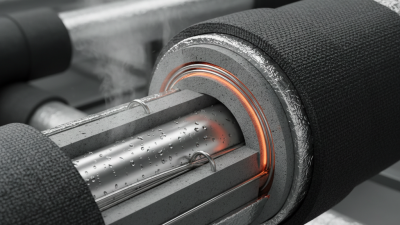
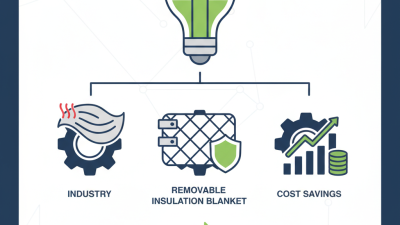
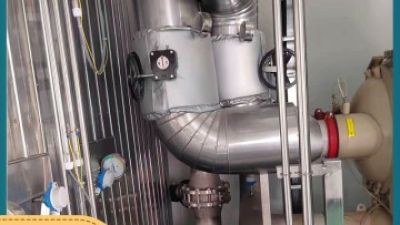
In the pursuit of optimal energy efficiency within industrial operations, valve removable insulation jackets have emerged as a remarkable solution. Designed to withstand extreme temperature ranges from -70°C to 1000°C, these insulation jackets provide exceptional thermal protection, achieving thermal conductivity levels of less than 0.035 W/(m·K) at normal temperatures. This feature is crucial for maintaining the integrity of processes that rely on precise temperature control, ultimately leading to enhanced performance and reduced energy consumption.
The material properties of these insulation jackets further augment their effectiveness. With a density ranging from 100-200 kg/m3 and a thickness of 35mm-50mm, they offer superior insulation while remaining lightweight and manageable. Additionally, their A grade non-flammable characteristic ensures safety in demanding industrial environments. The jackets also demonstrate impressive anti-corrosion properties, exhibiting resistance to acids, alkalis, water, and oils, which is essential for durability in various applications. Reports indicate that lifespan projections for these products exceed 10 years, making them a cost-effective choice for long-term energy efficiency initiatives.
As industries continue to face pressures to reduce operational costs and lower their carbon footprint, the adoption of innovative insulation solutions like valve removable insulation jackets is becoming increasingly significant. Their ability to improve energy efficiency, combined with outstanding material characteristics, aligns well with modern sustainability goals, making them an indispensable component in energy-conscious strategies across various sectors.
: It keeps water hot longer, reducing heating needs and lowering energy bills.
Many see it as an extra cost rather than a valuable long-term investment.
Proper thickness maintains water temperature and can save up to 30% on heating costs annually.
Climate, pipe location, and potential exposure to extreme temperatures are crucial.
Wear and tear can reduce efficiency, leading to increased heat loss and costs.
Some materials may seem effective short-term but lack durability for long-term performance.
Material and installation costs vary, and cheaper options may lead to higher bills later.
Rushed applications can create gaps, allowing heat escape and reducing effectiveness.
Significant heat loss leads to higher usage and therefore higher utility bills.
The lifespan of materials can determine future costs, impacting your overall investment.
Heated Water Pipe Insulation plays a crucial role in enhancing energy efficiency by minimizing heat loss and ensuring consistent water temperatures. Understanding the various types of insulation materials available, along with the appropriate insulation thickness, is essential for optimizing performance. Factors such as temperature maintenance and the R-Value, which measures thermal resistance, should be carefully evaluated when selecting insulation.
Additionally, it's vital to conduct a cost-effectiveness analysis to determine the financial benefits of insulating heated water pipes. Common installation mistakes, such as improper sealing or inadequate coverage, can significantly impact the insulation's effectiveness. By avoiding these errors and making informed choices regarding heated water pipe insulation, homeowners can enjoy reduced energy costs and improved heating performance.