Welcome to JIECHENG



Leave Your Message
Welcome to JIECHENG
When it comes to saving energy, Hot Water Pipe Insulation might not always be the first thing people think of, but honestly, it’s kinda a big deal. I read somewhere, like from John Stevens over at EnergyWise Solutions, that making sure those pipes are properly insulated can really cut down on energy waste. It’s super important because it helps keep the water hot and cuts down on the money you’re throwing out the window.
Not only does good Insulation Stop heat from escaping, but it also helps the whole system run smoother and more efficiently. Picking the right type of insulation can make a huge difference, though — because not all methods are created equal. Sometimes, folks try to get by with quick fixes that might not cut it, and before you know it, your system’s working harder than it needs to.
A lot of homeowners and businesses overlook how much of a difference investing in proper pipe insulation can make — but honestly, those savings can add up over time. The key is knowing what kind of insulation you need for your particular situation. When you understand its benefits, it’s a no-brainer for boosting energy efficiency and saving some bucks in the long run.
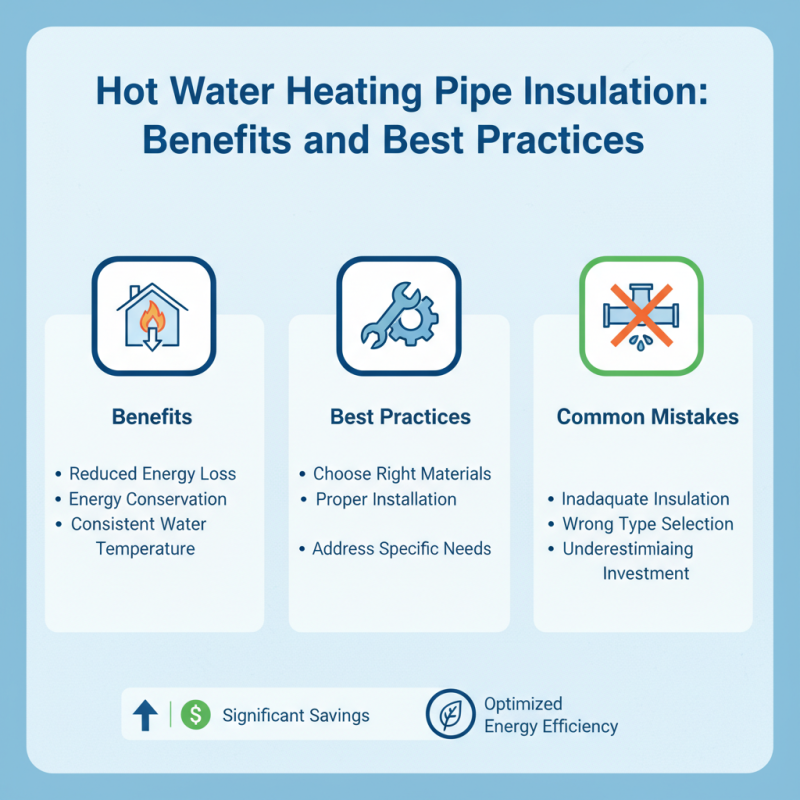
Insulating hot water heating pipes offers numerous benefits. Proper insulation helps maintain the temperature of the water inside the pipes. This means water stays hot longer, reducing energy waste. When hot water reaches taps quickly, users enjoy comfort and efficiency.
Moreover, insulation minimizes energy costs. By preventing heat loss, households use less energy to maintain desired temperatures. Over time, this leads to significant savings on utility bills. Additionally, properly insulated pipes can help in reducing noise from water movement, creating a more peaceful living environment.
However, many people overlook this simple home improvement. Some may hesitate, fearing the initial installation costs. It’s crucial to weigh these costs against long-term savings. Missing out on insulation might lead to higher bills and less comfort. Reflecting on these factors often leads to better home energy practices.
When it comes to insulating hot water pipes, choosing the right material is crucial. Common Insulation materials include foam, fiberglass, and rubber. Foam insulation is lightweight and easy to install. It can reduce heat loss by up to 80%, according to industry research. Fiberglass is excellent for both high and low temperatures. Rubber insulation is durable and resistant to moisture, providing solid performance in various environments.
Tips: Consider the thermal resistance needed for your Heating Pipe Insulation. A higher R-value indicates better insulation. For standard use, aim for at least R-3 or higher. Evaluate your piping layout too. Long runs of pipe may require additional insulation measures.
Some installations may reveal gaps. Even tiny spaces can cause heat loss. Retrofitting may not be straightforward. Always measure carefully before applying any insulation material. Seek professional advice if unsure of the best materials. Remember, proper insulation makes your system more efficient. It can lead to energy savings of up to 10-30% in heating costs based on the American Council for an Energy-Efficient Economy.
| Insulation Material | Thermal Resistance (R-value) | Moisture Resistance | Cost (Per Linear Foot) | Best Use |
|---|---|---|---|---|
| Fiberglass | R-2.2 to R-4.2 | Moderate | $0.50 - $2.00 | General plumbing applications |
| Foam Rubber | R-3.5 to R-6.5 | High | $0.80 - $1.50 | Hot water pipes in humid areas |
| Mineral Wool | R-3.0 to R-4.0 | High | $1.00 - $3.00 | Extreme weather conditions |
| Flexible Foam | R-4.0 to R-6.0 | Moderate | $0.70 - $1.20 | Easy installation for irregular shapes |
| Reflective Foil | R-1.0 to R-2.0 | Low | $0.50 - $1.00 | Radiant heat applications |
Proper insulation of hot water heating pipes can significantly enhance energy efficiency. According to the U.S. Department of Energy, proper insulation can improve energy savings by up to 20%. This reflects the impact of minimizing heat loss during the heating process. In well-insulated systems, the potential for unintentional energy waste decreases. This means more efficient heating and lower energy bills.
Steam Heating Pipe Insulation is particularly important in older buildings. Many of these systems are outdated, leading to heat loss due to poor insulation. A study from the American Society of Heating, Refrigerating and Air-Conditioning Engineers indicates that 30% of energy can be lost without adequate insulation. Ideal insulation helps maintain consistent temperatures, which aids in reducing operational costs and improves system reliability.
**Tips:** Use insulation materials with a high R-value for best performance. Conduct regular checks on insulation integrity to spot patches in need of repair. Even minor gaps can result in significant energy waste, prompting a reassessment of your insulation choices. Aim for a tight fit to optimize thermal resistance.
Installing pipe insulation is essential for maintaining energy efficiency in hot water systems. Proper insulation minimizes heat loss and prevents condensation. This not only saves energy but also reduces your bills. You should begin by measuring the pipes. Select the insulation that fits snugly yet allows for easy installation.
Tips: Always wear protective gear while installing. It protects against irritation from materials.
When applying the insulation, ensure the seams are secured tightly. Gaps can lead to heat loss or moisture issues. Combining different types of insulation may yield better results. Be aware of the climate in your area. If it’s extremely cold, consider thicker insulation.
Tip: If unsure, consult local building codes. They offer guidelines on the minimum insulation standards.
Don’t skimp on quality. Cheap insulation can deteriorate quicker. After installation, check for any inconsistencies or missed spots. The longevity of your system may depend on these details. Regularly inspecting your insulation helps maintain efficiency. This simple maintenance task can save significant hassle in the long run.
When insulating heating pipes, common mistakes can hinder efficiency. One frequent error is underestimating the insulation thickness. Too thin insulation fails to trap sufficient heat, leading to increased energy costs. Proper insulation helps maintain the water temperature and reduces heating bills. Always check the insulation requirements for your specific system.
Another common pitfall is improper sealing. Gaps between insulation sections allow heat to escape. This not only wastes energy but can also lead to condensation issues. Make sure to seal all joints thoroughly. Use adhesive tape designed for insulation, and pay special attention to fittings and bends in the piping.
Additionally, overlooking regular inspections can be detrimental. Even the best insulation can degrade over time. Inspect the condition of the insulation regularly. Look for signs of wear, moisture, or damage. Regular maintenance ensures that your Heating And Insulation remain effective, optimizing system performance and energy efficiency.
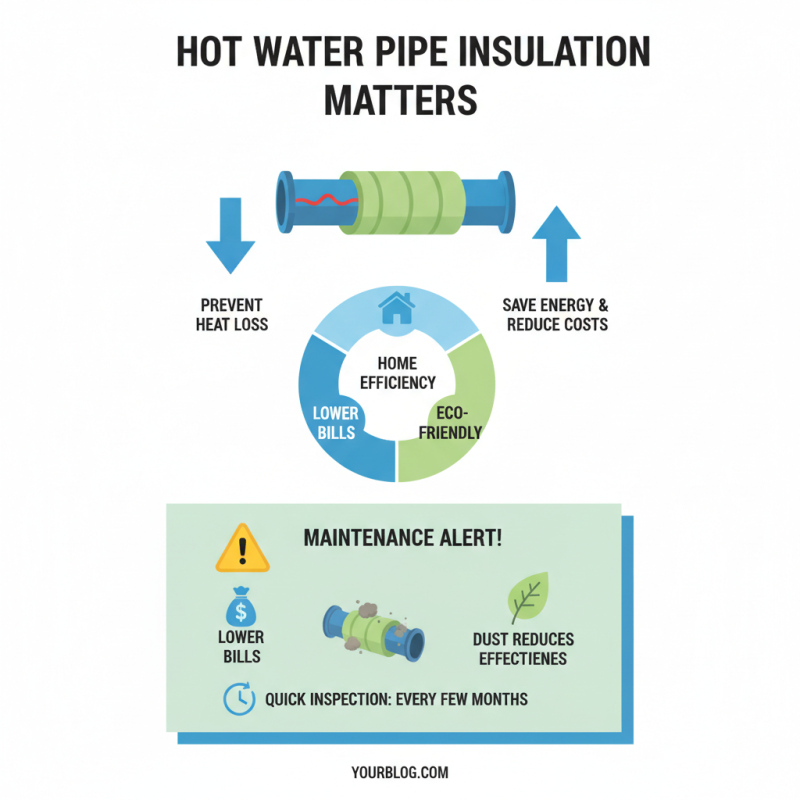
Insulating hot water pipes is crucial for maintaining system efficiency. Proper insulation prevents heat loss, saving energy and reducing costs. However, many homeowners neglect regular maintenance of these systems over time. Dust accumulation on pipe insulation can reduce its effectiveness. A quick inspection every few months can reveal any issues.
Visual signs of wear include peeling insulation or rust near fittings. These indicate problems that could lead to leaks. Repairing or replacing damaged insulation is vital for efficiency. Yet, many ignore this until it's too late.
Seasonal changes also affect insulation durability. Extreme temperatures can wear down materials faster. Use a soft brush or cloth to clean the surface. Also, check for gaps or cracks. Regular upkeep can extend the life of your hot water pipes significantly. Remember, effective insulation goes beyond initial installation; it requires ongoing attention.
Insulating hot water heating pipes offers several financial and efficiency benefits. First, it minimizes heat loss during water transport. When pipes are not insulated, heat escape can lead to increased energy costs. Homeowners may notice higher bills in cold months. Proper insulation can significantly cut these expenses.
The initial investment in Heating System Insulation can pay off in the long run. By evaluating your energy bills before and after insulation installation, noticeable savings often emerge. Some may overlook this potential and continue with inefficient systems. Additionally, insulation can extend the life of the pipes. It reduces the risk of condensation, which can cause corrosion. This saves costs on repairs over time.
However, insulation installation isn't always straightforward. It may require professional assessment and expertise. Some homeowners may hesitate to take this step due to perceived high costs. But understanding long-term savings makes this decision easier. Many underestimate the value of reducing energy waste. So, consider the potential benefits of investing in heating system insulation.
The evaluation of industrial steam pipe insulation plays a crucial role in enhancing energy efficiency across various sectors. Recent market research highlights the significant advantages that high-quality insulation materials provide, enabling industries to minimize energy losses and ultimately reduce operational costs. By investing in advanced insulation technologies, organizations can create a more sustainable operational framework while optimizing thermal management.
Key parameters of effective steam pipe insulation include a temperature range that spans from -70°C to 1000°C and a thermal conductivity of less than 0.035 W/(m·K) at normal temperatures. The optimal density of 100-200 kg/m3, combined with a thickness of 35mm to 50mm, ensures both thermal efficiency and structural integrity. Additionally, the flame retardant performance classified as A grade non-flammable, along with robust anti-corrosion properties—resisting acid, alkali, water, and oil—further enhances the longevity of the insulation, ensuring it lasts over ten years.
Adopting such advanced insulation solutions not only protects industrial assets but also promotes greater environmental responsibility. As companies continue to focus on energy efficiency, the role of insulation in steam pipe operations becomes increasingly vital, underscoring the need for informed purchasing decisions based on the latest market insights.
: This product is designed to enhance user experience through innovative technology. It aims to solve common problems efficiently.
Follow the provided guidelines closely. Understand the features, and practice using them for better results.
Yes, users often overlook important features. They may also neglect maintenance, which impacts performance over time.
Returns depend on specific policies. Ensure you check the return conditions to avoid disappointment.
Start with the user manual. If the problem persists, consult online resources or seek assistance from the support team.
Yes, users typically receive ongoing support. However, response times may vary based on demand and resources.
Hot Water Heating Pipe Insulation offers numerous benefits for both energy efficiency and system longevity. By properly insulating hot water pipes, homeowners can significantly reduce heat loss, ensuring that water reaches its destination at the desired temperature while minimizing energy consumption. Various insulation materials are available, each with unique properties that cater to specific installation environments.
Best practices for installing pipe insulation include ensuring a snug fit and avoiding common mistakes that can compromise efficiency. Regular maintenance of insulated pipes is crucial to prevent deterioration and to maintain optimal performance. A cost-benefit analysis typically reveals that the initial investment in hot water heating pipe insulation pays off over time through reduced energy bills and extended lifetime of the heating system, making it a prudent choice for any property owner.